


Be Ready Vancouver
Emergency preparedness in Vancouver starts here.
Preparedness doesn’t have to be overwhelming, and you don’t need to do everything at once. Start small, take one step at a time and build readiness that works for you. Having conversations, making plans and gathering supplies takes time.
Getting started is easy
Stay Informed
Stay informed by signing up for Clark Public Alerts. Alerts provide timely information about emergencies and disruptions in your area.
Meet
Introduce yourself to one neighbor and exchange contact information.
Plan
Choose two family meeting locations (near your home and outside your neighborhood) and an out-of-area contact person.
Inventory
Walk through your home and note what you already have.
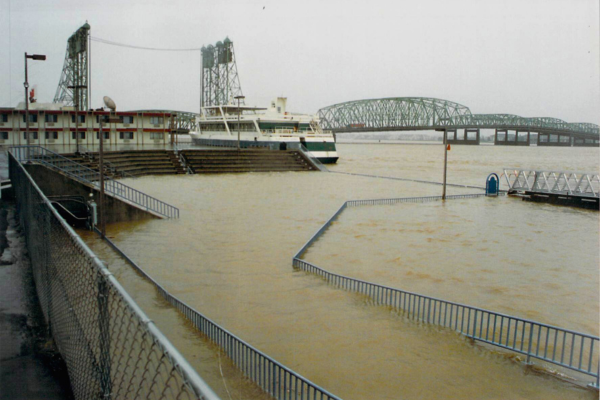
Vancouver’s hazards
Explore common and potential hazards in Vancouver and find simple steps to prepare, stay safe during an emergency and recover afterward.


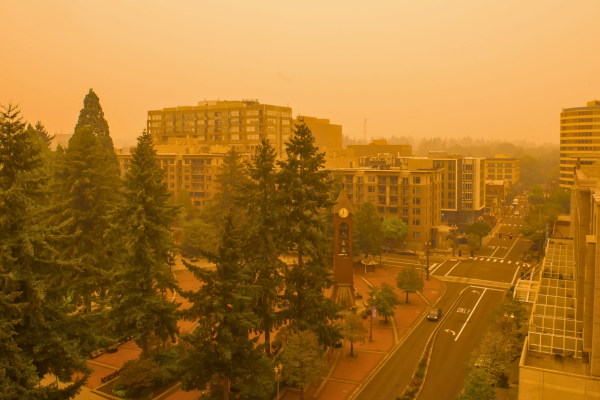
Wildfires and smoke
Wildfires can occur in nearby natural areas, within City limits and in surrounding regions. Dry vegetation, wind, and structures close together can allow fire to spread quickly in urban environments. Even fires far away from Vancouver can affect the community through smoke that travels long distances.
Wildfires and smoke

Preparedness Kits
Preparedness kits don’t need to be expensive or overwhelming. The same basic supplies can be divided across different locations, depending on where you spend your time.
Think about the basics: water, food, shelter, communication, and personal needs. Scale those supplies to fit each kit. Start small, start with what you have, and look for bargains (coupons, garage sales, “buy nothing” groups) to fill in the rest. Check on your kits twice a year, replace expired items, and update as life changes. Mark your calendar so you don’t forget!
Home Kit
Supplies to support staying home safely during an emergency. Store items in a cool, dry place that you can get to easily.
The basics
Water, food, flashlight, whistle, trash bags, jacket and sturdy shoes, seasonal clothing, shelter (blankets, sleeping bag, tarp or tent), first aid kit, important documents, medication, sanitation supplies, supplies for pets.
Full kit
- One gallon of water per person per day.
- Blankets, sleeping bag, tent, tarp.
- Warm clothing, sturdy shoes and socks.
- Shelf-stable, high-protein, high-energy food that you already eat.
- Manual can opener.
- Lighter/matches in a waterproof container.
- Fire extinguisher.
- First aid supplies.
- Prescription and non-prescription medications.
- Spare glasses/contact lens supplies.
- Personal hygiene supplies.
- Sanitation: Two 5-gallon buckets, heavy duty garbage bags, layering material such as sawdust, moist towelettes, and hand sanitizer.
- Whistles.
- Important documents on two flash drives (birth certificates, wills, mortgage payments, insurance documents, property deeds, warranty information, family photos).
- LED flashlight and batteries stored separately.
- Hand-crank or solar AM/FM radio.
- Cell phone charger.
- Tools: wrench, rope, duct tape, scissors, work gloves.
- Dust masks.
- Cash (in small bills).
- Pen, paper, local maps.
- A deck of cards or portable game.
Go Bag
Essentials if you need to leave quickly.
- A bag that you can carry or roll.
- Filled water bottles and a water filtration straw.
- Shelf-stable, high-protein foods you already eat like protein bars, tinned tuna, jar of peanut butter, and beef jerky.
- First aid kit, scissors, sheet.
- Change of clothing and seasonal wear such as gloves, hat, water-resistant coat, sunscreen, socks, large-brimmed hat, sneakers.
- Cash (in small bills).
- Flashlight and batteries.
- Heavy-duty trash bag (can be used for a variety of shelter needs).
- Cell phone charger/power bank.
- Small hand-crank radio.
- Important documents on two flash drives (birth certificates, wills, mortgage payments, insurance documents, property deeds, warranty information, family photos).
- Hygiene comfort kit like toothbrush, toothpaste, hairbrush, moist towelettes and feminine products.
- Deck of cards.
Vehicle Kit
Life-sustaining supplies if you’re away from home.
- Water and shelf-stable, high-protein foods you already eat.
- Flashlight and extra batteries.
- Whistle to signal for help.
- Jumper cables.
- Flares or reflective triangle.
- Ice scraper.
- First aid kit.
- Car cell phone charger.
- Blanket.
- Gloves, socks, a hat, and warm clothes.
- Local map.
- Cat litter or sand (for tire traction).
- Tire chains.
- Folding camp-style shovel.
- Duct tape, heavy-duty garbage bags, multi-tool.
- Paper and pen.
- Written emergency contacts.
- Hygiene comfort kit like toothbrush, toothpaste, moist towelettes and feminine products.
- Deck of cards or a game.
Stay-at-Work Kit
Basics to get through a prolonged workday.
- Water.
- Non-perishable food and protein bars.
- Flashlight.
- Batteries.
- Backup power bank/charger
- N95 mask.
- Whistle.
- Medication and personal supplies like contact lens, glasses, a toothbrush, toothpaste, etc.
- Hand-crank radio.
- Local map.
- Matches in a waterproof container.
- Written phone numbers for important contacts.
- Cash (small bills).
- Hand sanitizer.
- Multi-tool.
- Work gloves.
- Change of clothes (preferably warm layers and water-resistant outerwear, extra socks, a pair of sneakers or sturdy shoes).
- Comfort item in case you have to sleep at the office, e.g., a blanket.
Supplies for People with Disabilities
Emergency kits should include items that support your daily health, mobility and communication needs. Think about the supplies, equipment and medications you rely on every day and what you may need if services or power are disrupted.
- Keep backup prescription medications if possible.
- A written list of medications, dosages, allergies and medical conditions.
- Extra over-the-counter medicines such as pain relievers or antihistamines.
- A small cooler and icepacks for medicines that require refrigeration.
- Extra batteries or chargers for hearing aids, communication devices or assistive technology.
- A weather radio with visual alerts or text display.
- A flashlight or battery-powered lantern to support communication during power outages.
- Pen and paper or communication cards if devices are not available.
- Emergency supplies labeled in large print or Braille.
- Backup mobility aids such as a cane, walker or manual wheelchair.
- Extra batteries for powered mobility devices.
- Basic repair supplies, such as tire patch kits or air pumps.
- Familiar items to help reduce stress, such as headphones, blankets, or activities.
- Food, water, and supplies for service animals.
- Printed contact information for doctors, caregivers, and family members.
Pet Go Bag
Supplies to care for pets away from home.
- Food in an airtight, waterproof container.
- Water.
- Two bowls.
- Medicine.
- Collar with ID tag and a harness or leash.
- Traveling bag, crate or carrier.
- Pet litter, litter box, paper towels, plastic trash bags for sanitation needs.
- A selfie of you and your pet (printed), just in case you get separated. This could help document ownership.
- A comfort item such as a toy, Thundershirt or a favorite blanket.
Stay informed
Getting timely and accurate information is one of the most important steps you can take before, during and after an emergency. Stay connected by following trusted local sources for updates that affect Vancouver.
More preparedness resources
Ready to take your preparedness to the next level? Use these resources to help you prepare.
Questions?
Reach out to vancouverem@cityofvancouver.us.