


Equity and Inclusion
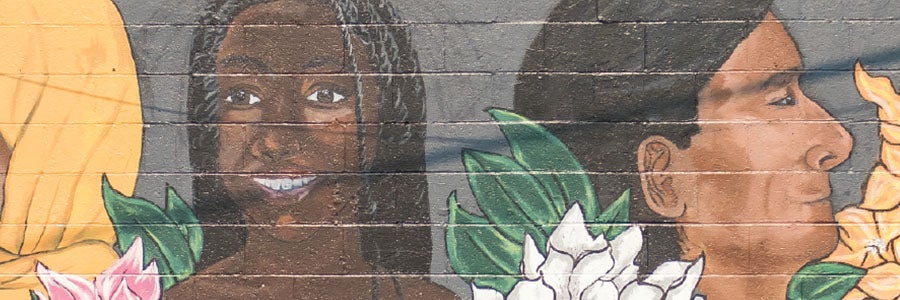
This chapter embeds equity into City decisions and investments. It is based on the following feedback received during the plan development process:
- Review policies and zoning to understand how they could impact different races differently.
- Establish policies to prevent displacement.
- Acknowledge historical injustice and take reparative action.
- Center accessibility and disability inclusion.
- Reflect diverse identities in resources, events, and community spaces.
Below are the key goals that support the vision for this chapter:
Chapter Goals
| Goal | Description |
|---|---|
| EI-1: Equitable Community | All community members have equitable and inclusive access to opportunities and resources, including communities most impacted by past and present exclusionary practices. |
| EI-2: Universal Design and Access | Public spaces, public infrastructure, and public and private buildings are universally designed and meet best practices for accessibility and inclusion. |
| EI-3: Focus on Youth and Aging Population | The built environment supports community members from childhood through later life, with families and caretakers benefitting from robust youth programs and accessible childcare, enabling children to excel and parents to actively participate in the workforce. Aging populations benefit from accessible infrastructure, inclusive urban design, accessible housing, and opportunities for social connection. |
| EI-4: Transparent and Inclusive Governance | Community members have trust in City government, built and sustained through equitable and inclusive community engagement, language access, equitable access to programs, technology and resources, an emphasis on building trust-based relationships with partners and community members, regular reporting of progress and outcomes, and co-creative and transparent decision-making processes. |
Explore the full chapter including the policies that help implement it’s vision, or return to the Comprehensive Plan page.