


Transportation and Mobility
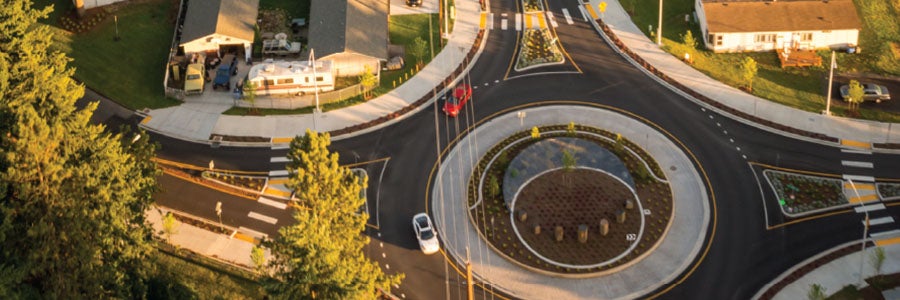
This chapter of the Comprehensive Plan directs the City to support safe, reliable and comfortable transportation. It is based on the following feedback received during the plan development process:
- Address future transportation needs, including walking, rolling, bicycling, using public transit, and driving,
- Include strategies that help people get around efficiently, called transportation demand management strategies, and
- Support pedestrians and cyclists.
- Desire for transportation options near housing, jobs, parks, and essential services.
- Concerns about vehicle traffic safety and congestion, including noise and air pollution.
- Strong support for walking, biking, and micromobility options and for expanded, reliable transit service.
Below are the key goals that support the vision for this chapter:
Chapter Goals
| Goal | Description |
|---|---|
| TM-1: Integrated Transportation and Connectivity | Vancouver is served by a reliable, safe and accessible transportation system that seamlessly connects residents to key areas of the city and the region. |
| TM-2: Low Carbon Mobility Choices | Community members can access a suite of low carbon travel options that connect important destinations, including walking, cycling, small mobility, and transit, while reducing reliance on single occupancy vehicles. |
| TM-3: Efficient Freight Access | Vancouver’s port and freight infrastructure safely and efficiently moves goods, supports economic growth, is resilient to disruptions, and minimizes negative environmental impacts. |
| TM-4: Eliminate Traffic Fatalities (Vision Zero) | Vancouver has a safe and comfortable travel environment for all users, regardless of age, ability or mode of travel, where traffic-related fatalities and serious injuries are eliminated. |
Explore the full chapter including the policies that help implement it’s vision, or return to the Comprehensive Plan page.