

Homelessness
Those living on the street or in vehicles face tremendous challenges—from the loss of a job or home to mental health conditions or addiction.
Since declaring an emergency related to homelessness in 2023, the City has expanded our efforts to address this crisis and its impacts on both the housed and unhoused.
2025 outcomes
- 456 individuals found to be living unsheltered (City count conducted summer 2025) – 6% decrease from 2024.
- 42% (86) of Safe Stay Community exits were positive (obtained housing or other long-term supportive care, like long-term residential facilities, recovery or other group housing) – double the national average for exits from shelter programs.
- 28% (44) of Safe Park Community exits were positive (obtained housing, other long-term supportive care, like long-term residential facilities, recovery/group living, or transferred from vehicle to more substantial shelter environment)
- 20 Safe Stay/Park community program participants entered the homelessness services workforce – a field in high demand for workers.
- 352 tons of solid waste removed from public property – 15% decrease from 2024.
- Two camps closed to camping due to ongoing health and safety concerns:
- West Mill Plain Blvd. Sound Wall – 50% of camp residents transitioned to a Safe Stay community.
- Burnt Bridge Creek Greenway east and west of Andresen Rd. – 56% of camp residents transitioned to a Safe Stay community.
- 329 people cited into the Community Court program, 85 opted in following citation and 122 graduated from the program – 108% increase in citations from 2024.
- 407 Naloxone (drug overdose reversal kits) handed out to people who are likely to experience or witness a drug overdose through a partnership with the Washington State Department of Health’s Opioid Education and Naloxone Distribution Program.
- At least 10 overdoses were reversed by the Homelessness Assistance and Resources Team (HART) or recipients of the distributed kits
Ways to help
Safe Stay/Safe Park opportunities
Homeward Bound – Safe Park
Volunteer
Sign up to volunteer to support safe park
The Outpost: Safe Stay 1
Volunteer
Meal train cooks and drop off facilitators for lunch (11 a.m.) and dinner (5:30 p.m.)
Sign up for a meal train or donate to support meal service at The Outpost.
Hope Village: Safe Stay 2
Volunteer
Help cook dinners (drop off at 6 p.m.)
Sign up for a meal train or donate to support meal service at Hope Village.
415 West: Safe Stay 3
Volunteer
Meal train cooks and drop off facilitators for lunch (11 a.m.) and dinner (5:30 p.m.)
Sign up for a meal train or donate to support meal service at 415 West.
Kiggins Village: Safe Stay 4
Donate
- Coffee/creamer/sugar
- Breakfast bars
- Gently-used shoes
- Toilet paper
- Paper towels
Safe Stay wish list items
Warm clothes
Adult women and men’s sizes
- mylar type emergency or “space” blankets
- winter gloves
- winter hats or beanies
- socks
- Rain gear
- pants, jeans
- flannel shirts, sweaters
- blankets
- hand warmers
Pet supplies
- Dog/cat food/treats
- Toys
- Pet safe cleaning supplies
- Food/water bowls
Non-perishable food
- Canned goods like vegetables, fruits and proteins
- Rice, pasta, oatmeal and beans
- Snacks like granola bars, nuts and dried fruit
- Shelf-stable milk and bottled water
To donate, contact: Dale Smith, 503-442-8914, dalesmith@dogoodmultnomah.org or Lisa Horness, 971-634-0011, lhorness@dogoodmultnomah.org
Southwest Washington Victory Food Project
To learn about volunteer opportunities at the Safe Stay 1 and 3 community gardens, follow @swwa.victory.food.project on Instagram or email swwavictoryfoodproject@gmail.com.
Litter Clean Ups
Picking up litter in public spaces helps keep the Vancouver community safe and clean for all to enjoy. Upcoming clean up opportunities.
Recent news
Muddy boots tour held at site of future bridge shelter
Dec. 10
City closes Burnt Bridge Creek/Andresen encampment
July 14
On July 14, the City closed the Burnt Bridge Creek trail encampment east and west of N.E. Andresen Road. Camping is no longer allowed on this section of the trail under the City’s emergency order and will be enforced. Camping anywhere else along Burnt Bridge Creek has been prohibited since 2022.
This work was part of an ongoing effort to address safety, environmental impacts and provide meaningful support to those living outside.
- Our Homeless Assistance and Resources Team (HART) started outreach and service referrals for those living in the camp in February.
- Of the 40 people living in this camp, 23 accepted referrals to shelters, including City Safe Stay communities.
- Nearly 10 tons of garbage was cleaned up by our solid waste crews.
Encampment outreach and response is one of several ways the City is addressing our homelessness emergency. Opening a bridge shelter will fill a critical gap in shelter bed capacity. We expect to open the shelter in 2026.
City closes Mill Plain sound wall encampment
March 5
On March 5, the City closed the encampment along the Mill Plain sound wall. Like all the City’s homelessness emergency response efforts, this closure prioritized compassionate outreach and connecting people living outside to services. We partnered with the Vancouver Housing Authority and the Council for the Homeless to quickly create additional space for up to 55 individuals living outside to access shelter. A $1M Affordable Housing Fund grant provided rental assistance to current Safe Stay residents to make it possible.
- Thanks to this pilot housing program, 24 people have moved from the sound wall into supportive shelter at a City Safe Stay/Park
- 35 people who did not enter shelter were offered safe storage of their belongings for up to 60 days
- Vancouver Police Department made 15 arrests, 12 of those individuals received citations into Community Court and five were booked into jail for misdemeanor warrants, a Department of Corrections warrant, reckless burning and possession of controlled substances
The sound wall area is now closed to camping under the City’s emergency order and will be enforced.
Opioid Treatment Program launched with national opioid settlement funds
Feb. 24
The City has partnered with Columbia River Mental Health to launch a mobile opioid treatment program in 2025. This program provides daily addiction treatment and support for people experiencing homelessness, including services at the City’s future bridge shelter. The goal is to reduce overdoses and help people move toward stable housing.
Funding comes from settlements with opioid manufacturers and distributors, which are providing Washington state with more than $1.2 billion over 10 years to distribute to local governments for programs that address opioid addiction and its effects. Vancouver has received more than $2.5 million to date.
Track how we’re investing opioid settlement funding now and in the future on our Opioid Settlement Funds storymap.
City to close Mill Plain sound wall area to camping March 5
Feb. 20
Through a partnership with the Council for the Homeless and the Vancouver Housing Authority, we’re moving people who have stabilized in Safe Stay communities into housing, creating space for those living in camps to move into shelter. So far, 24 people previously living at the Mill Plain Sound Wall in west Vancouver have transitioned into one of our supportive Safe Stay/Park communities. Now that everyone at the camp has been offered a place to go, the encampment will officially close on March 5. After that, camping in the area will no longer be allowed and will be legally enforced.
In the news
- Vancouver’s homeless response manager swaps strategies with other cities on national problem – The Columbian, Oct. 1
- Number of homeless veterans in Clark County dropped by 25% in 2023 – The Columbian, Nov. 20
- The Common Good: Homeless Assistance and Resource Team (HART) interview part two – KXRW, Nov. 12
- The Common Good: Homeless Assistance and Resource Team (HART) interview part one – KXRW, Oct. 8
Homelessness response strategies
Homeless Assistance and Resources Team
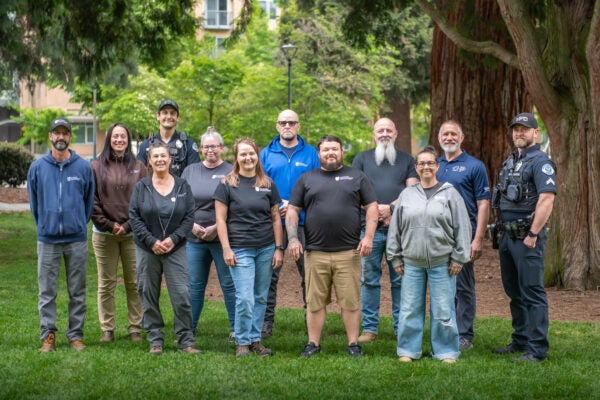
HART provides outreach and referrals to appropriate services for individuals experiencing homelessness, conducts assessments of encampments for cleanup and sanitation needs and coordinates all cleanup efforts. HART also responds to community questions or concerns related to homelessness.
HART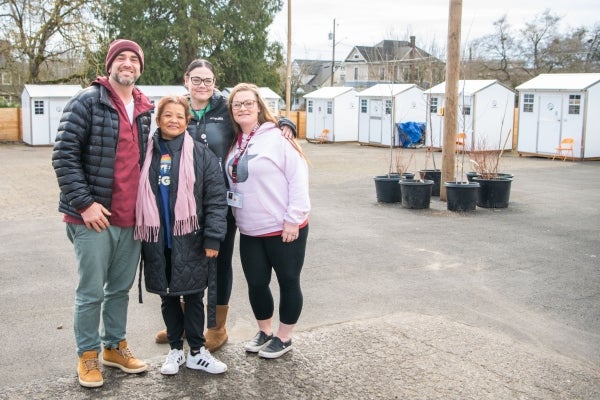
Safe Stay Communities
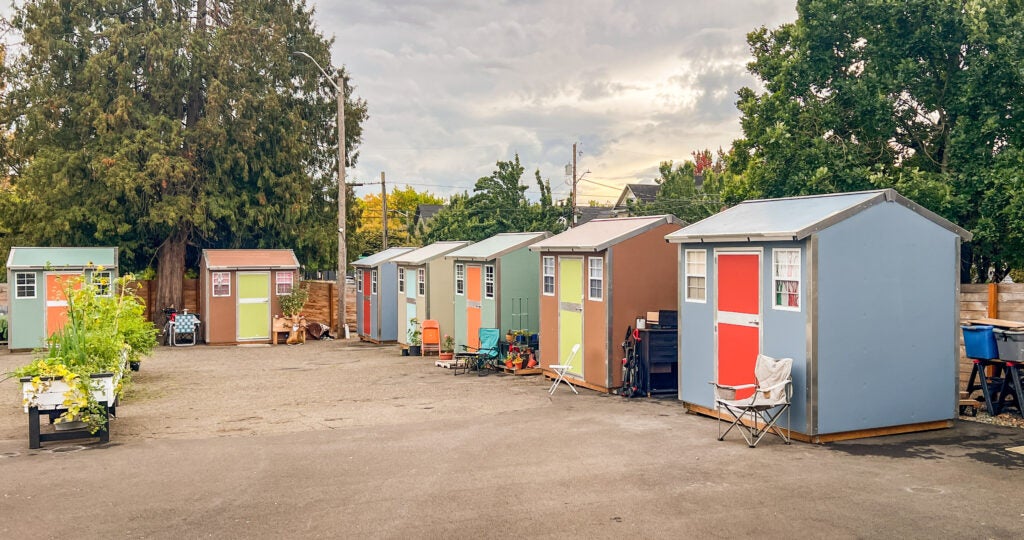
Since Dec. 2021, the City has opened four temporary, supportive Safe Stay Communities. Each Safe Stay provides up to 40 unsheltered community members with warm, dry and secure surroundings and access to supportive services while they work to transition out of homelessness.
Safe Stay Communities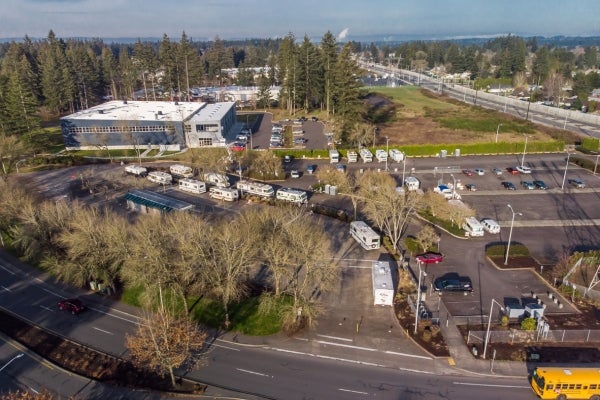
Homeward Bound
In 2020, the City established a safe location for up to 80 people living in vehicles to park. The safe park site, Homeward Bound, is located at the Evergreen Transit Center and provides a safe space for up to 50 vehicles. In February, non-profit operator Live Love Outreach began managing and providing supportive services at the site.
Safe Parking Zone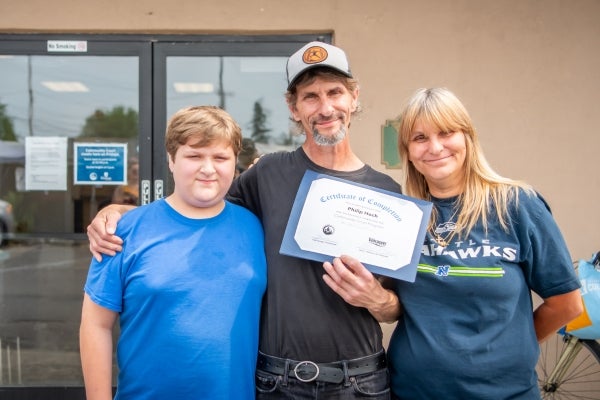
Community Court
Community Court Program provides individuals who commit quality of life offenses with an opportunity to access needed services, housing and treatment in exchange for completing service requirements and taking accountability for their actions. 52% of unsheltered individuals who have completed the program became eligible for housing.
Community Court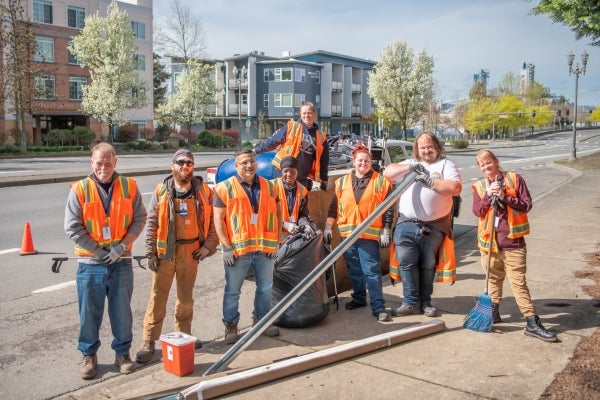
Talkin’ Trash
This Share Vancouver program, with funding and coordination support of the City, picks up 20 tons of trash monthly. In addition to improving community health and livability, the program offers Talkin’ Trash staff, who are experiencing homelessness or housing insecurity, work experience, case management support and training.
Talkin’ Trash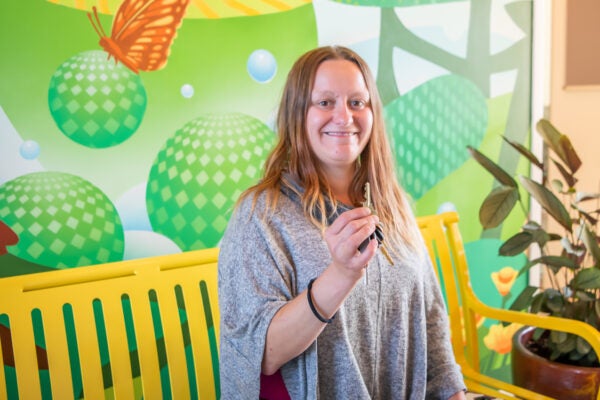
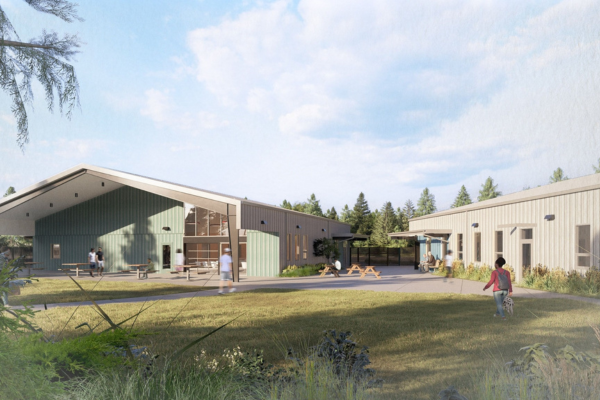
Future bridge shelter
The City continues to lay the groundwork for a future shelter space. A bridge shelter is a low-barrier site where people experiencing homelessness can have a place to stay as they bridge the space between living outside and the next step on their journey to permanent housing.
Future bridge shelter