

2025 Annual Water Quality Report
Vancouver City Council: Mayor Anne McEnerny-Ogle • Mayor Pro Tem Sarah J. Fox • Kim D. Harless • Erik Paulsen • Diana H. Perez • Bart Hansen • Ty Stober • Vancouver City Manager Lon Pluckhahn
Information for non-English speaking customers/requesting other formats
This report contains important information about your drinking water. Please use the language translation tool on this website or call our office for assistance at 360-487-8177. To request other formats, contact Vancouver Public Works Operations: 360-487-8177 | WA Relay: 711
Message to customers: Keeping your water safe
Our annual Water Quality Report is sent each year to our customers with the results of rigorous drinking water testing by an independent lab that meets state and federal approvals. Required by federal regulations, this report contains the test results conducted in 2025 and showed that, in many cases, Vancouver’s water was better than Safe Drinking Water Act regulations required.
All of the City’s drinking water comes from underground aquifers and is delivered through a closed, protected and monitored system. In keeping with federal and state requirements, our water is treated with a trace amount of chlorine—a safe level that meets health standards for municipal water systems—as an extra precaution to guard against any potential contaminants, including viruses.
How we are working to reduce PFAS
In 2024, the U.S. Environmental Protection Agency (EPA) announced the final National Primary Drinking Water Regulation for six PFAS. This establishes legally enforceable levels, called Maximum Contaminant Levels (MCLs), for six PFAS in drinking water. The 2025 PFAS testing results are included in this Water Quality Report for your information.
At Water Station 14, testing has shown higher levels of PFAS than at our other water stations. To meet the EPA’s regulations, we will begin upgrades at Water Station 14 in 2026. We will install six new filtration units that use granular activated carbon. This is a tested and effective method for removing PFAS from drinking water.
This project was awarded a $12.5 million forgivable loan from the Washington State Department of Health through the Drinking Water State Revolving Fund Loan Program. Construction is planned for summer 2026 and will continue for two years.
Vancouver remains at the forefront of addressing PFAS in drinking water while balancing utility rate affordability. In the next few years, we will install granular activated carbon filtration at each of our water stations with elevated PFAS test results. We are prioritizing treatment at sites with higher PFAS concentrations by the EPA’s 2029 deadline for implementing PFAS treatment solutions.
2025 Water quality summary
We reach beyond state and federal requirements and have our water analyzed for more than 238 different substances, some regulated and some not regulated. The substances listed below are regulated and were detected in the City’s water during 2025. All samples taken are from treated water delivered to the distribution system. Chemical analysis of organics is measured in parts per billion (ppb). Analysis of inorganics is measured in parts per million (ppm). Highest measured values represent an exception to the overall average concentrations in water delivered in the system. All results are below federal drinking water regulations.
Required testing at groundwater sources
| ContmInant (Unit) | Highest Level Allowed (MCL) | Highest Level Detected | Lowest Level Detected | Ideal Goal (MCLG) | Potential Sources of Contaminant |
|---|---|---|---|---|---|
| Fluoride (ppm) | 4.0 | 0.67 | 0.22 | 4.0 | Erosion of natural deposits; additive for strong teeth |
| Nitrate (ppm) | 10 | 4.8 | ND | 10 | Fertilizer, animal waste, septic systems, sewage |
ND = non detect
Required testing within the distribution system
| Contminant (Unit) | Highest Level Allowed (MCL) | Highest Level Detected | Lowest Level Detected | Ideal Goal (MCLG) | Potential Sources of Contaminant |
|---|---|---|---|---|---|
| Total Coliform Bacteria | Less than 5% positive/month | 0% | 0% | 0% | Naturally present in environment, contamination by mammals |
| Chlorine (ppm) | 4.0 | 1.3 | 0.4 | 1.0 | Additive for disinfectant residual |
| Contminant (Unit) | Highest Running Average Allowed | Running Annual Average | (MCLG) | Range of Level Detected | Regulation Met? | Potential Sources of Contaminant |
|---|---|---|---|---|---|---|
| Total Trihalomethan (ppb) | 80 | 9.5 | N/A | 4.0-14.0 | Yes | Biproduct of disinfection |
| Haloacetic Acids (ppb) | 60 | ND | N/A | ND | Yes | Biproduct of disinfection |
Secondary (aesthetic) standards and other characteristics
These are additional substances, tested at groundwater sources, that relate to aesthetic qualities and may be of interest to customers.
| Contminant (Unit) | Highest Level Allowed (MCL) | Highest Level Detected | Lowest Level Detected | Ideal Goal (MCLG) | Potential Sources of Contaminant |
|---|---|---|---|---|---|
| Copper (ppm) | 1.3 | 0.040 | ND | N/A | Naturally occuring |
| pH | 6.5-8.5 | 8.2 | 7.6 | N/A | Naturally occurring or treatment adjustment |
Understanding PFAS
Vancouver, like many communities in Washington and across the nation, is addressing an emerging issue with per- and polyfluoroalkyl substances (PFAS). PFAS are a large group of human-made chemicals that have been used in industry and in consumer products worldwide since the 1940s.
About PFAS and the City’s water
In 2020, we completed proactive testing and found PFAS at low levels in some of the City’s groundwater wells. We took action and hired water quality experts to investigate possible sources and the extent of PFAS in the water supply. We then started work to identify treatment options.
PFAS testing
In 2023, we began quarterly compliance testing and reporting for PFAS in alignment with requirements from the Washington State Department of Health.
On April 10, 2024, the EPA announced the final National Primary Drinking Water Regulation for six PFAS compounds. These regulations set the Maximum Contaminant Levels (MCLs) for PFAS in drinking water. Public water systems will have five years to implement solutions to reduce these PFAS if monitoring shows that drinking water levels exceed the MCLs. We are on track to meet the 2029 deadline.
City actions to protect water quality
- Testing the water supply: Operations staff continue to test and monitor water quality in compliance with state and federal requirements to ensure a safe water supply.
- Evaluating treatment options: Water quality engineers are evaluating treatment technologies to remove PFAS from the water supply.
- Treatment system installation: We are currently designing PFAS treatment system upgrades for Water Stations 14, 4, and 9. We will start designs for Water Station 1 and 3 in 2026. We plan to drill to a deeper aquifer at Water Station 15 to help mitigate PFAS. Learn about PFAS mitigation.
- Planning for the future: Future costs for PFAS treatment are included in the City’s capital plans.
- Reducing costs: The City is pursuing state and federal grants and loans, and settlement claims to reduce the impact on ratepayers.
- Adjusting operations: Prioritize operating water stations with lower PFAS levels and run sources with higher levels less often to reduce concentrations in the distribution system.
- Sharing information: Up-to-date information on PFAS and test results are being shared with all customers and the public so you can make informed decisions.
PFAS sampling results from 2025
Testing in 2025 showed that eight of nine of the City’s wellfields exceeded the MCLs for PFAS contaminants regulated by the EPA.
| Type of PFAS | Vancouver Sampling Result Range | EPA Maximum Contaminant Level* | MCL Exceedance |
|---|---|---|---|
Perfluorooctanoic acid (PFOA) | ND-11 ppt | 4 ppt | Water Stations 4, 8, 9, 14 and 15 |
Perfluorooctanesulfonic acid (PFOS) | ND-19 ppt | 4 ppt | Water Stations 1, 3, 4, 7, 8, 9, 14 and 15 |
Perfluorononanoic acid (PFNA) | ND | 10 ppt | ND |
Perfluorohexanesulfonic acid (PFHxS) | ND-5.9 ppt | 10 ppt | N/A |
HFPO-DA (commonly referred to as GenX Chemicals) | ND | 10 ppt | ND |
Perfluorobutanesulfonic acid (PFBS) | ND-8.8 ppt | N/A | N/A |
Note: ppt = parts per trillion (1 ppt is equivalent to a single drop of water in 20 Olympic-sized swimming pools).
*The EPA MCL for mixtures containing two or more of PFHxS, PFNA, HFPO-DA and PFBS is the hazard index of 1. The hazard index of 1 is the level at which no known health risk could be anticipated.
How PFAS enter the environment
PFAS are present in many everyday household materials, including non-stick cookware, food packaging, clothing and furniture. These chemicals can enter the environment and water supplies from multiple sources and do not break down easily, which is why they are sometimes called “forever chemicals.”
Potential health impacts
Scientists and public agencies are still studying how PFAS affect people’s health. Health advice is updated as new science becomes available.
PFOA: Some people who drink water containing PFOA in excess of the State Action Level over many years may experience problems with their cholesterol, liver, thyroid or immune system; have high blood pressure during pregnancy; have babies with lower birthweights; and be at higher risk of getting certain types of cancers.
PFOS: Some people who drink water containing PFOS in excess of the State Action Level over many years may experience problems with their cholesterol, liver, thyroid, kidney or immune systems; or have children with lower birthweights.
Ways to reduce exposure
The Washington State Department of Health recommends the following:
- Learn about PFAS and steps you can take to reduce your exposure.
- If you are pregnant, breastfeeding or mixing infant formula with tap water, use an alternative source for drinking or mixing infant formula or install home water treatment that is certified to lower the levels of PFAS in your water.
- Boiling your water will not reduce PFAS levels.
- If you are concerned about potential health impacts from exposure to PFAS, please contact your doctor or health care professional.
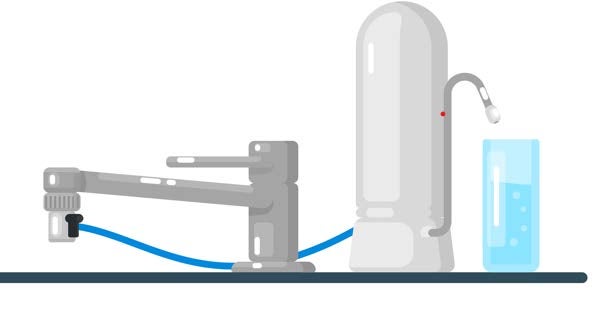
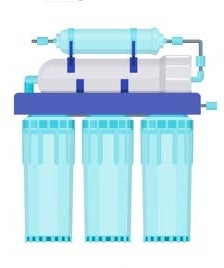
We are committed to keeping the community informed as we learn more about treatment options and receive updates from federal and state authorities. To learn more about our response, visit PFAS Mitigation or call Utility Customer Service at 360-487-7999.
Additional frequently requested information about your water
The following results are not required by law but are provided to keep you informed.
| Contaminant (unit) | Highest Level Detected (MCL) | Lowest Level Detected |
|---|---|---|
| Alkalinity (ppm) | 110 | 66 |
| Calcium (ppm) | 35.0 | 16.0 |
| Hardness (ppm) | 130 | 55 |
| Magnesium (ppm) | 12.0 | 6.2 |
| Potassium (ppm) | 4.0 | 2.1 |
| Sodium* (ppm) | 26.0** | 6.9 |
*EPA guidance level for sodium in drinking water is 20 mg/L for those on diets with daily sodium restrictions
**Elevated sodium level is a pH adjustment byproduct of EPA-required corrosion control at Water Station 15
EPA mandatory Safe Drinking Water statements for all community water systems
Drinking water, including bottled water, may reasonably be expected to contain at least small amounts of some contaminants. The presence of contaminants does not necessarily indicate that water poses a health risk. More information about contaminants and potential health impacts can be obtained by calling the EPA’s Safe Drinking Water Hotline at 1-800-426-4791.
Some people may be more vulnerable to contaminants in drinking water than the general population. Immunocompromised persons such as persons with cancer undergoing chemotherapy, persons who have undergone organ transplants, people with HIV/AIDS or other immune system disorders, some elderly, and infants can be particularly at risk from infections. These people should seek advice about drinking water from their health care providers. EPA/CDC guidelines on appropriate means to lessen the risk of infection by Cryptosporidium and other microbial contaminants are available from the Safe Drinking Water Hotline at 1-800-426-4791.
Throughout the country, sources of drinking water (both tap water and bottled water) include rivers, lakes, streams, ponds, reservoirs, springs and wells. The City of Vancouver relies 100 percent on groundwater. As water travels through aquifers, it dissolves naturally-occurring minerals and can pick up inorganic contaminants, which are naturally occurring, and organic contaminants, such as byproducts of industrial processes. To ensure safe tap water, EPA and Washington Board of Health regulate certain contaminants in public drinking water. Vancouver’s water is tested for more substances than required. All results, shown in this report, meet or are better than required by EPA.
Information about lead and copper in water
EPA rules require all public drinking water systems to regularly test a sample of potentially high-risk homes for lead and copper at an inside tap. The City conducted lead and copper tests in July 2023, in keeping with federal Safe Drinking Water Act and Washington State Department of Health regulations. We worked closely with residents to test water at the taps at a sampling of 54 homes most likely to be at risk, generally built between 1981 and 1989. All results showed lead and copper concentrations below EPA action levels that require additional treatment. The next round of lead and copper sampling will be completed in 2026. Visit Drinking Water for details.
Lead sources and risks
As of testing in July 2023, lead is not present in the City’s source water. In Washington State, lead in drinking water comes primarily from materials and components used in household plumbing. The more time water is sitting in pipes, the more dissolved metals, such as lead, it may contain. Exposure to lead can cause serious health impacts in all age groups. Infants and children who drink water containing lead could have decreases in IQ and attention span and increases in learning and behavior problems. Lead exposure among pregnant women increases prenatal risks. Lead exposure among women who later become pregnant has similar risks if lead stored in the mother’s bones is released during pregnancy. Recent science suggests that adults who drink water containing lead have increased risks of heart disease, high blood pressure, kidney or nervous system problems. If you are concerned about lead in your water, you may wish to have your water tested. More information is available from EPA’s Safe Drinking Water Hotline at 1-800-426-4791 or visit Basic Information about Lead in Drinking Water.
| Element | MCLG | Action Level** | Results*** | Levels Tested | Homes Above Action Level | Source |
|---|---|---|---|---|---|---|
| Lead* (ppb) | 0 | 15 | 2.2 | ND-7.9 | 0 | Corrosion of home plumbing systems |
| Copper* (ppb) | 1.3 | 1.3 | 0.39 | ND-0.99 | 0 | Natural deposits/Corrosion of home plumbing systems |
*Data from testing in July 2023
**Concentration of contaminant which, if exceeded, triggers treatment or other requirements
***Represents 90th Percentile, or 90 percent of the samples were less than the values shown
Aquifers are the source of 100% of the City’s water supply
The City gets all of the water supplied throughout our service area from wells tapping three underground aquifers—Orchards, Troutdale and the Sand-and-Gravel aquifers.
An aquifer is an underground layer of unconsolidated rock or sand that is saturated with usable amounts of water. Aquifers, which store and carry water, form significant natural water supplies. Recharge areas are important to a healthy aquifer. In a recharge area, water is able to seep into the earth and down to the aquifer, helping recharge these vital natural resources.
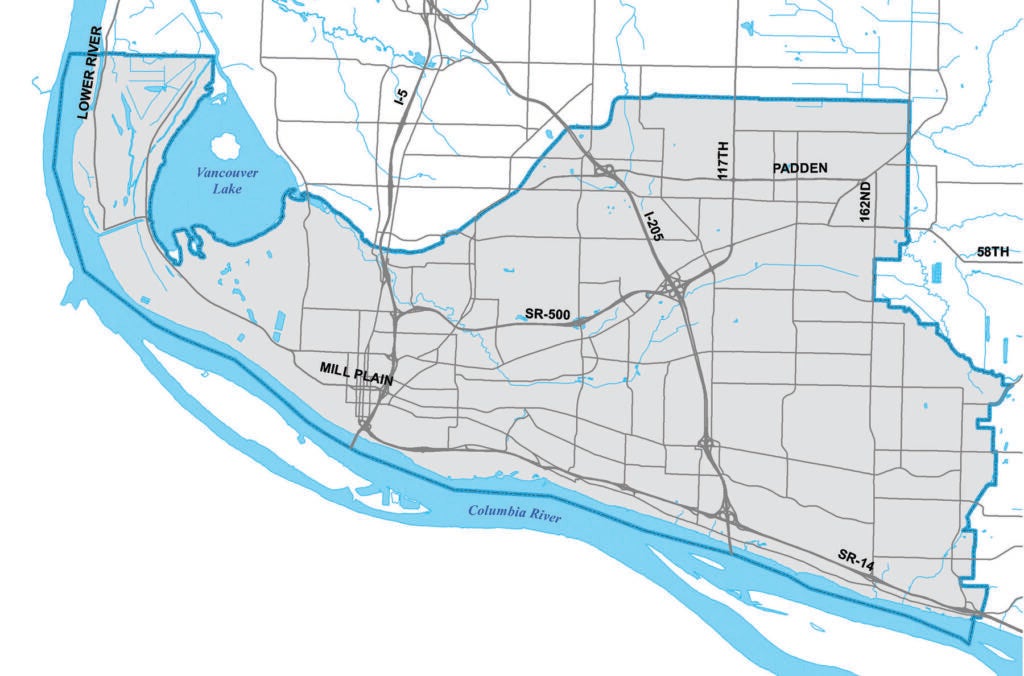
To keep tap water safe, EPA prescribes regulations that limit contaminants. The City’s Water Resources Protection Program actively inspects and assists businesses in special well protection areas. Together, the City, State of Washington and federal regulations are working to keep our aquifers safe and our drinking water clean.
H2O: Helping neighbors in need
A little help can go a long way for those in our community who need it most. Help to Others, or H2O, is a program designed to help qualifying low-income residents in crisis situations pay for vital water and/or sewer utility services. The program is supported by donations from caring residents and businesses in our community. Donations are tax-deductible under applicable IRS regulations.
Every dollar donated to the H2O program goes directly to helping people in our community. No matter the size, your contribution to H2O can make a difference. Please consider making a donation. To learn how to make a one-time or recurring H2O donation by check or credit card, please call 360-487-7999 or visit Utility Billing.
Terms and definitions:
AL: Action Level. Concentration of a contaminant which, if exceeded, triggers treatment or other requirements a water system must follow. EPA: United States Environmental Protection Agency, which enforces the Safe Drinking Water Act. WSDOH: Washington State Department of Health, which enforces the Safe Drinking Water Act within the State of Washington. <: Less than. MCL: Maximum Contaminant Level. Highest level of a contaminant allowed in drinking water. MCLs are set as close to ideal levels as current treatment technology allows. ppb: Parts per billion. One ppb = one milligram per 1000 liters. ppm: Parts per million. One ppm = one milligram per liter. mg/L: One milligram per liter. See ppm. ND: Non Detect. THM: Trihalomethanes. Total concentration of a series of chlorinated organic compounds, disinfection byproducts that are unavoidable and caused by a chemical reaction between chlorine and naturally occurring organic matter in water. MCLG: Maximum Contaminant Level Goal. Level of contaminant in drinking water below which there is no known or expected health risk. MCLGs allow for a margin of safety. Only Primary Standards have MCLGs because Secondary Standards are not set for health reasons. pCi/L: picocuries per liter. Unit of measurement for radionuclides. Hardness: To convert ppm to grains per gallon, divide by 17.12. SAL: State Action Level. A level that is set to protect human health and is based on the best available science at the time.
Additional water resources
- Vancouver Water Quality/Operations: 360-487-8177
- Vancouver Utility Customer Service (bills/service): 360-487-7999
- Vancouver Backflow and Cross Connection Prevention: 360-487-8276
- Vancouver Water Resources Education Center: 360-487-7111
- Vancouver Water Resources Protection Program: 360-487-7130
- EPA Safe Drinking Water: 800-426-4791